
Small Call to Action Headline
Black hammock farm'S Out Reach Programs
From Destruction to Creation and Healing
Black Hammock Farm extends beyond commercial agriculture into three community outreach programs, each reflecting our core belief that working the land offers pathways to peace, belonging, and resilience.
Fields of Peace Program
A Day with Brothers and Animals
Fields of Peace provides veteran service members a space for recovery, connection, and purpose through hands-on agricultural work. Farming offers what many veterans seek after service: meaningful physical labor, connection to living things, quiet purpose, and brotherhood without the weight of conflict.
“The program operates on a simple premise: there is peace in the pasture.” — Kip Hudakoz.
Who We Serve:
Combat veterans processing transition to civilian life.
Veterans experiencing PTSD, anxiety, or difficulty reintegrating
Service members seeking community outside clinical settings
Any veteran curious about agriculture as a second career or personal practice
No diagnosis required. No paperwork. Just show up.
What at Day Looks Like
Participants arrive in the morning and work alongside Agent K—a Marine veteran of the Gulf War Era—tending the flock and maintaining the farm.
Activities may include:
Morning flock check and feeding
Moving sheep between paddocks
Setting up portable fencing for rotational grazing
Body condition scoring and individual animal assessment
Basic veterinary care and hoof maintenance
Fence repair and pasture improvement
Equipment maintenance
Poultry care and egg collection
The work is real. The sheep don't care about your service record—they need to be fed, moved, and looked after. There's something grounding in that simplicity.
Lunch is shared. Stories are optional. The land does most of the talking.
Program Philosophy
Clinical settings serve essential purposes, but not every veteran thrives in them. Some need to work with their hands. Some need animals that respond to calm, steady presence. Some need to be outdoors, away from fluorescent lights and waiting rooms.
Fields of Peace isn't therapy. It's farming. But farming has its own way of working on a person.
The transition from military service to civilian life often lacks clear purpose. Agriculture provides that purpose in its most elemental form: living things depend on you. The work matters. The results are visible. And at the end of the day, you've built something instead of destroying something.
Open Pasture Program
Sustainable Farming for Everyone
Misssion: Open Pasture Program creates accessible agricultural experiences for individuals of all abilities, with particular emphasis on welcoming those with disabilities and special needs. The farm becomes a classroom without walls—a place where everyone can contribute, learn, and connect with the land.
Sustainable farming isn't just about environmental practices. It's about sustaining people, communities, and futures. Open Pasture ensures that pathway is open to all.
“The program operates on a simple premise: When a community learns together, they grow together.” — Kip Hudakoz.
Who We Serve:
Individuals with developmental disabilities
Those with physical disabilities seeking adaptive agricultural activities
Special needs students and educational programs
Therapeutic programs seeking agricultural partnerships
Families wanting inclusive farm experiences
Anyone interested in sustainable farming education
Potential activities include:
Open Pasture adapts to participants rather than requiring participants to adapt to us. Activities are scaled, modified, and structured based on individual abilities and interests.
Potential activities include:
Sensory experiences with sheep (supervised interaction, wool textures)
Egg collection from heritage poultry
Planting and garden maintenance
Feeding routines with visual schedules
Nature observation and journaling
Basic animal care tasks
Harvest activities (seasonal)
Farm art projects using natural materials
Sessions can be structured for individuals, small groups, or organized programs. We work with caregivers, teachers, and therapeutic professionals to design experiences that meet specific goals.
Program Philosophy
Agricultural settings offer unique benefits for individuals with disabilities:
Sensory regulation — The farm provides rich, natural sensory input: animal textures, outdoor sounds, soil and vegetation, physical movement through space.
Predictable routines — Animals require consistent care. This creates structure that many individuals find calming and manageable.
Meaningful contribution — Every task on a farm matters. Collecting eggs, filling water troughs, spreading feed—these are real jobs with visible results. Participants aren't doing "activities." They're doing farm work.
Non-judgmental environment — Sheep don't care about diagnoses or limitations. They respond to calm presence and consistent handling. Success is measured in completed tasks, not standardized assessments.
Connection to natural systems — Understanding where food comes from, how animals live, how seasons change—these connections ground us in something larger than ourselves.
Connection to CommunOT
Black Hammock Farm proudly supports CommunOT Farm and Programming, which pioneers therapeutic agricultural experiences. Open Pasture draws inspiration from their model and seeks to expand access to farm-based programming in Seminole County. Contact CommunOT for more details
Seminole Small Farm Alliance
Strength in Numbers, Roots in Community
Mission: The Seminole Small Farm Alliance provides mutual support, shared resources, and collective advocacy for small-scale agricultural operations in Seminole County, Florida. In a region where development pressure and bureaucratic obstacles threaten small farms, the Alliance ensures no farmer stands alone.
“The program operates on a simple premise: there is peace in the pasture.” — Kip Hudakoz.
The Problem We Address:
Small farms in Seminole County face challenges that large agricultural operations don't:
Agricultural classification battles — Property Appraisers may deny agricultural classification to legitimate operations, forcing small farmers into expensive appeals. The process is opaque, inconsistent, and financially devastating for operations already running on thin margins.
Regulatory navigation — Zoning codes, development orders, livestock regulations, water management permits—small farmers must navigate systems designed for larger operations or residential properties, often with little guidance.
Isolation — Unlike agricultural regions where farmers have built-in community, Seminole County's small farms are often islands surrounded by suburban development. Farmers lack peers who understand their challenges.
Resource limitations — Equipment, expertise, veterinary services, processing facilities—resources readily available in rural agricultural areas are scarce or expensive in transitional counties like Seminole.
What the Alliance Offers
Advocacy and Classification Support
Black Hammock Farm recently prevailed in a Value Adjustment Board appeal after the Property Appraiser denied agricultural classification despite the operation meeting every statutory requirement. The magistrate ruled decisively in our favor, criticizing the Appraiser's narrow interpretation.
That experience—including over $10,000 in legal costs and months of preparation—produced hard-won knowledge:
How Florida Statute 193.461 actually works
What documentation establishes "bona fide commercial agriculture"
How to present evidence effectively to the VAB
Which legal arguments succeed and which fail
How to navigate the appeals timeline
Alliance members facing classification challenges don't start from zero. They start with our playbook, our documentation templates, and our experience. When possible, we can connect farmers with legal counsel who understand agricultural classification.
Shared Knowledge Base:
Best practices for livestock in Florida's climate
Veterinary and extension service contacts
Equipment sharing and rental opportunities
Processing and direct-sales guidance
Grant and financing resources
Insurance and liability considerations
Collective Voice:
Individual small farmers have little influence on county policy. A coalition of farms speaking together commands attention. The Alliance can:
Engage with county commissioners on agricultural issues
Participate in comprehensive plan updates affecting agricultural land
Advocate for small-farm-friendly interpretations of regulations
Build relationships with Planning, Zoning, and Property Appraiser offices
Represent small agriculture in conversations currently dominated by development interests
Community Connection:
Regular gatherings—whether formal meetings or informal farm visits—break the isolation that small farmers experience. Problems shared are problems halved. Successes celebrated together build momentum.
Memembership:
The Seminole Small Farm Alliance welcomes:
Operating farms of any size in Seminole County
Farms pursuing agricultural classification
Landowners considering agricultural use
Agricultural operations in adjacent counties facing similar challenges
Supporting members (non-farmers who support small agriculture)
Initial membership is informal—join our contact list, attend gatherings, participate in discussions. As the Alliance develops, we may establish more formal structure based on member needs.
Founding Principles
Non-partisan — Agricultural issues cross political lines. The Alliance advocates for small farms, not parties or candidates.
Collaborative with government — We work with county officials, not against them. The goal is partnership and mutual understanding, not adversarial relationships. Many officials simply don't understand small farm operations; education often resolves conflicts.
Respect for diversity — Small farms vary enormously: produce, livestock, nurseries, aquaculture, agritourism. All legitimate agricultural operations are welcome regardless of type or scale.
Rooted in heritage — Seminole County has deep agricultural history, from the celery fields of Black Hammock to the citrus groves that once covered the region. The Alliance honors that heritage while building agricultural futures.
Future Developement
Formal organizational structure (nonprofit status consideration)
Regular meeting schedule and communication channels
Resource library (legal templates, documentation guides, contact lists)
Annual small farm tour showcasing Alliance members
Partnerships with University of Florida IFAS Extension
Engagement with Florida Farm Bureau and other agricultural organizations
Advocacy agenda developed collaboratively by members
Program Integration
These three programs share common roots and reinforce each other:
Fields of Peace veterans may discover agricultural careers, potentially starting their own operations with Seminole Small Farm Alliance support.
Open Pasture Program participants experience working farms, building public appreciation for the small agriculture that the Alliance protects.
Alliance member farms may host Fields of Peace or Open Pasture programming, expanding reach beyond Black Hammock Farm alone.
All three embody Black Hammock Farm's core philosophy: agriculture as creation, healing, and community connection. The commercial breeding operation and Rent-A-Herd services provide the sustainable foundation. These outreach programs extend that foundation into service.
Contact and Next Steps
Fields of Peace inquiries: Veterans interested in farm days, or veteran service organizations seeking partnerships
Open Pasture Program inquiries: Individuals, families, educators, or therapeutic programs interested in accessible farm experiences
Seminole Small Farm Alliance inquiries: Farmers seeking support, landowners considering agriculture, or community members wanting to support small farms
All programs: blackhammockfarm.com
Black Hammock Farm — Live, Fresh, Local
BLACK HAMMOCK FARM NEWS
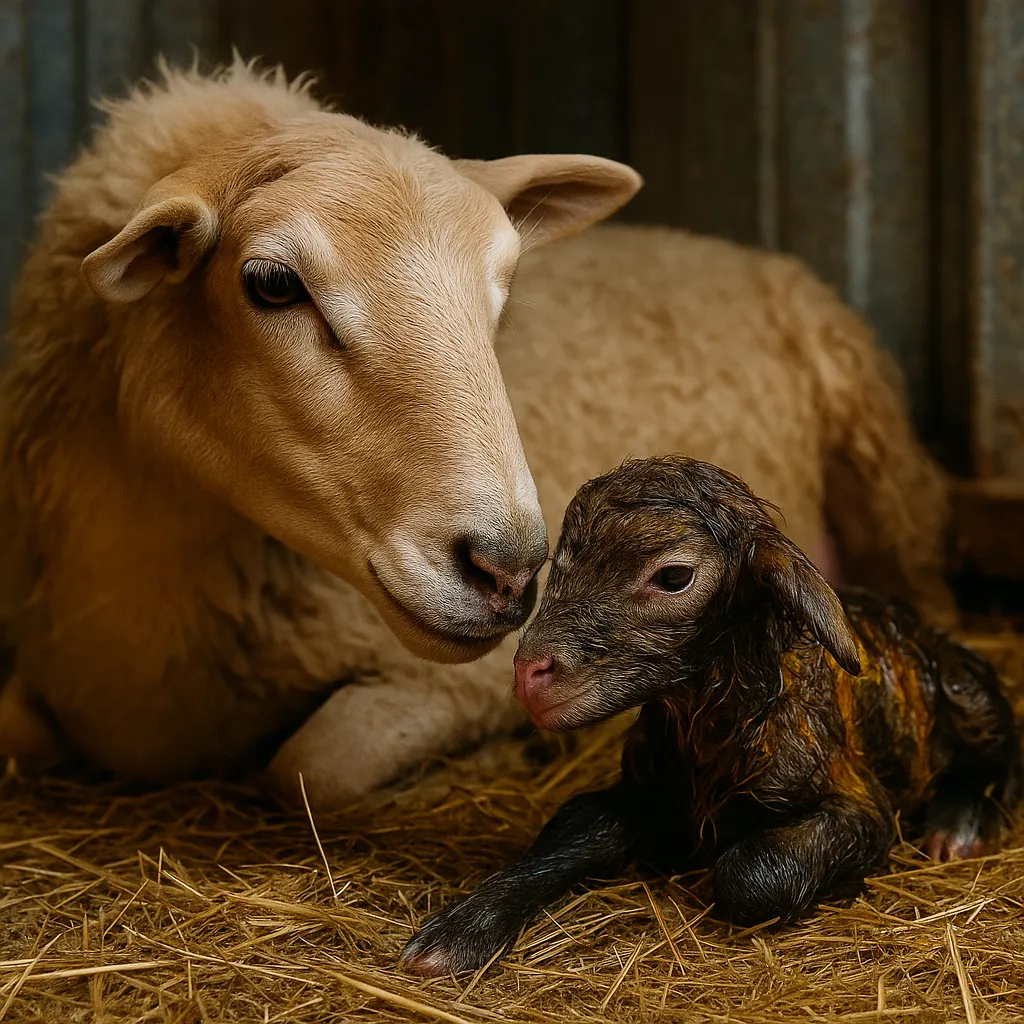
From Conception to Healthy Lambs
"Pregnancy and Lambing Management That Ensures Success"
The text came at 11:47 PM on a cold March night: "Need help NOW. Ewe down, can't get up, something's wrong." I threw on clothes and drove the fifteen minutes to Jake's farm, finding him pacing anxiously outside his barn with a flashlight.
Inside, we found a pregnant ewe flat on her side, eyes rolled back, breathing labored. Classic pregnancy toxemia—ketosis brought on by inadequate nutrition during late pregnancy combined with the stress of carrying triplets. Jake had meant well, keeping his bred ewes on "maintenance rations" to prevent them from getting "too fat." Instead, he'd starved them during the most critical nutritional period of their lives.
We tubed glucose solution and called the vet, but it was too late. By morning, Jake had lost not just one ewe but the three lambs she was carrying—four animals that represented nearly $800 in lost production, all because he didn't understand how pregnancy nutrition works.
That expensive lesson taught Jake what every successful sheep producer learns: pregnancy and lambing aren't natural processes you can ignore. They're critical phases that require understanding, preparation, and active management. Get it right, and you'll enjoy the miracle of healthy lambs hitting the ground and productive ewes ready to breed again. Get it wrong, and you'll face heartbreak, financial losses, and frustrated attempts to understand where things went sideways.
Understanding Pregnancy Physiology
Sheep pregnancy is a remarkable 147-152 day journey from conception to birth, but those five months aren't uniform in their demands or challenges. Understanding what happens when allows you to provide the right support at the right time.
The Critical Periods
Days 0-30 (Early Pregnancy): Embryo implantation and early development are vulnerable to nutritional stress, disease, and environmental factors. Embryo loss during this period often goes unnoticed but significantly impacts lambing percentages.
Days 30-100 (Mid-Pregnancy): Relatively stable period with moderate nutritional demands. Fetal organ development occurs, but growth is slow. This is often the most economical feeding period of pregnancy.
Days 100-147 (Late Pregnancy): Rapid fetal growth period when 70% of birth weight is gained. Nutritional demands skyrocket, particularly with multiple fetuses. Most pregnancy complications occur during this phase.
Physiological Changes
Understanding how pregnancy changes ewe physiology helps you recognize normal versus abnormal conditions and provide appropriate management.
Metabolic Adaptations: Pregnant ewes become more efficient at using dietary energy and mobilizing body reserves. However, this efficiency has limits, particularly in late pregnancy with multiple fetuses.
Digestive Changes: Growing fetuses reduce rumen capacity, limiting dry matter intake just when nutritional demands peak. This creates the fundamental challenge of late pregnancy nutrition.
Circulatory Adaptations: Blood volume increases to support fetal circulation, while the heart works harder to pump blood through the enlarged uterus. These changes affect the ewe's exercise tolerance and heat regulation.
Multiple Pregnancy Considerations
Katahdin ewes frequently carry twins or triplets, creating unique management challenges that single pregnancies don't present.
Nutritional Demands: Twin pregnancies require about 15% more energy than singles; triplets need 25-30% more. These increased demands often exceed what pasture alone can provide, particularly in late pregnancy.
Space Constraints: Multiple fetuses create more severe reductions in rumen capacity, making it even harder for ewes to consume adequate nutrition from bulky feeds.
Lambing Complications: While Katahdins generally have easy births, multiple births increase the risk of malpresentations, prolonged labor, and postpartum complications.
Pregnancy Nutrition: Feeding for Two, Three, or Four
Pregnancy nutrition represents the most critical feeding period in a sheep's production cycle. The nutrition program during these 147 days determines birth weights, lamb vigor, ewe condition at lambing, and subsequent reproductive performance.
Early Pregnancy Feeding (Days 0-100)
Despite minimal fetal growth during early pregnancy, nutrition during this period impacts embryo survival and sets the stage for successful late pregnancy.
Maintenance Plus Approach: Provide nutrition slightly above maintenance requirements—typically 10-15% more energy than dry ewe needs. Avoid both underfeeding and overfeeding, as either can reduce embryo survival.
Body Condition Stability: Maintain body condition rather than trying to change it dramatically. Pregnant ewes should maintain condition score 3.0-3.5 throughout early pregnancy.
Stress Minimization: Nutritional stress during early pregnancy increases embryo loss. Ensure consistent feed availability and avoid sudden diet changes that might disrupt rumen function.
Late Pregnancy Feeding (Days 100-147)
This period makes or breaks pregnancy nutrition programs. Fetal growth accelerates dramatically, maternal nutrient demands soar, and rumen capacity shrinks—creating a perfect storm that requires careful management.
Energy Requirements: Energy needs increase 50-75% above maintenance, with higher increases for multiple pregnancies. This dramatic increase often surprises producers accustomed to feeding dry ewes.
Protein Needs: Protein requirements increase 40-50% above maintenance to support fetal tissue growth and prepare for lactation. Quality becomes as important as quantity during this period.
Feed Intake Challenges: Even as nutritional needs peak, physical intake capacity declines due to fetal pressure on the rumen. This creates the fundamental challenge of late pregnancy feeding.
Dr. Burke's research provides clear evidence of these principles in practice. Her studies noted that concentrate feeding becomes essential for multiple-bearing ewes: "a ewe that is nursing triplets cannot usually consume enough dry or wet forage to meet her nutritional requirements for lactation. Concentrate feeding is usually necessary."<sup>1</sup> This principle applies even more strongly during late pregnancy.
Practical Feeding Strategies
Meeting late pregnancy nutritional requirements requires strategic feeding programs that maximize nutrient density while maintaining rumen health.
Concentrate Supplementation: Most pregnant ewes benefit from grain supplementation during the last 6-8 weeks of pregnancy. Start with 0.5 pounds daily and gradually increase to 1.0-1.5 pounds for multiple pregnancies.
High-Quality Forages: Use your best hay for pregnant ewes. Legume hays or high-quality grass hays provide more nutrients in smaller volumes, helping overcome intake limitations.
Frequent Feeding: Feeding smaller amounts more frequently can increase total intake. Consider twice-daily feeding rather than once daily for late pregnancy ewes.
Nutrient-Dense Supplements: Supplements high in energy and protein help meet requirements without excessive bulk. Beet pulp, wheat middlings, and soybean meal work well for this purpose.
Pregnancy Health Management
Healthy pregnancies require more than good nutrition. Disease prevention, stress management, and environmental modifications all contribute to successful outcomes.
Vaccination Programs
Pre-lambing vaccinations protect both ewes and newborn lambs through colostral antibody transfer.
Timing Considerations: Administer vaccinations 2-4 weeks before expected lambing dates. This timing maximizes colostral antibody levels while ensuring adequate immune response.
Core Vaccinations: CDT (Clostridium C, D, and tetanus) vaccination is essential for all pregnant ewes. Consider additional vaccinations based on local disease risks and veterinary recommendations.
Booster Requirements: Previously vaccinated ewes need annual boosters. Newly introduced animals may require initial vaccination series—plan this well before breeding season.
Parasite Management
Pregnancy stress compromises immune function, making pregnant ewes more susceptible to parasite problems. However, treatment options become limited due to drug withdrawal requirements.
Pre-Breeding Control: Establish excellent parasite control before breeding season. This reduces parasite pressure throughout pregnancy when treatment options are limited.
Monitoring Programs: Use FAMACHA© scoring and fecal egg counts to monitor parasite loads during pregnancy. These methods identify problems early when intervention is still possible.
Safe Treatment Options: Some anthelmintics are approved for use during pregnancy, but always consult veterinary guidance and observe withdrawal periods if animals might be marketed.
Metabolic Disease Prevention
Pregnancy toxemia (ketosis) represents the most common and dangerous metabolic disorder of late pregnancy. Prevention is much more effective than treatment.
Risk Factors: Multiple pregnancies, poor body condition, inadequate nutrition, stress, and concurrent diseases all increase toxemia risk. Identify high-risk ewes for special attention.
Early Recognition: Watch for decreased appetite, depression, stumbling gait, and sweet-smelling breath (ketones). Early intervention improves treatment success significantly.
Prevention Strategies: Adequate energy intake during late pregnancy is the best prevention. Minimize stress, provide consistent feed, and monitor body condition closely.
Preparing for Lambing Season
Successful lambing seasons start with thorough preparation weeks before the first lamb arrives. This preparation phase determines how smoothly lambing proceeds and how well you handle inevitable challenges.
Facility Preparation
Lambing facilities should balance ewe comfort with management convenience, providing a clean, safe environment for birth while allowing easy observation and intervention.
Cleaning and Disinfection: Clean and disinfect lambing areas thoroughly before use. Remove old bedding, scrub surfaces, and apply appropriate disinfectants. Allow facilities to dry completely before adding fresh bedding.
Bedding Selection: Use clean, dry bedding that provides insulation and absorbency. Straw works excellently for lambing—it's warm, absorbent, and easy to manage. Avoid dusty or moldy bedding that might cause respiratory problems.
Pen Configuration: Design individual lambing pens 5x5 feet minimum for adequate ewe and lamb movement. Smaller pens stress ewes and may contribute to mismothering problems.
Environmental Control: Provide adequate ventilation without drafts. Newborn lambs are sensitive to drafts but need fresh air. Plan heating systems for extremely cold conditions, but avoid overheating that might cause respiratory problems.
Equipment and Supply Preparation
Having the right tools readily available prevents emergencies from becoming disasters. Organize supplies before lambing season begins—not when you're dealing with a difficult birth at 2 AM.
Obstetrical Kit: Include obstetrical lubricant, disposable gloves, disinfectant, flashlight, towels, and basic instruments for assisted deliveries. Store in a clean, accessible container.
Newborn Care Supplies: Stock iodine for navel dipping, ear tags, record sheets, and a scale for birth weights. Include lamb milk replacer and feeding bottles for emergency situations.
Medications: Maintain supplies of injectable vitamins, antibiotics approved for sheep, and pain relievers. Establish relationships with veterinarians before emergencies arise.
Record Keeping Preparation
Accurate records start from birth and provide valuable information for management decisions and genetic selection.
Recording Systems: Develop simple, efficient systems for recording birth information. Include ewe identification, birth date, lamb gender and weight, assistance required, and any complications.
Identification Supplies: Prepare ear tags, tattoo equipment, or other identification methods. Plan identification systems that provide permanent, readable animal identification.
Performance Tracking: Design record systems that support performance evaluation and genetic selection. Include space for growth weights, health treatments, and other relevant information.
The Lambing Process: Normal and Abnormal Presentations
Understanding normal lambing progression helps you recognize when intervention is needed and provides confidence to assist when necessary.
Stages of Normal Labor
Stage 1 (Preparation): Lasts 2-12 hours as the cervix dilates and the lamb positions for delivery. Ewes show restlessness, pawing, looking at flanks, and seeking isolation. The water bag may appear and break.
Stage 2 (Delivery): Active labor typically lasts 30-60 minutes from the start of abdominal contractions. Normal presentation shows front feet first with the head between them, nose pointing down.
Stage 3 (Afterbirth): The placenta should be expelled within 2-6 hours after delivery. Retained placentas can cause serious complications and require veterinary attention.
When to Intervene
Knowing when to help versus when to wait separates successful lamb managers from those who create problems through premature intervention.
Time Guidelines: If active pushing continues more than 60-90 minutes without progress, examination is warranted. If a lamb is partially visible but not advancing after 30 minutes of strong contractions, intervention is needed.
Progress Assessment: Each contraction should advance the lamb's position. If several contractions pass without visible progress, something is wrong and assistance is needed.
Presentation Problems: Any presentation other than front feet and head first requires evaluation and possible intervention. Breech presentations, leg back situations, or head back problems need correction.
Assisting with Difficult Births
When intervention becomes necessary, proper technique prevents injury to both ewe and lamb while maximizing chances of successful delivery.
Preparation: Wash hands and arms thoroughly, use plenty of obstetrical lubricant, and work gently. Rough handling causes injury and swelling that makes delivery more difficult.
Examination Technique: Enter the birth canal gently with cupped fingers, following natural curves. Identify lamb parts and their positions before attempting corrections.
Correction Methods: Reposition lambs by pushing them forward slightly to create working room, then gently guide legs or head into proper position. Work with contractions rather than against them.
When to Call Help: Recognize your limitations and call veterinary help for severe malpositions, oversized lambs, or situations beyond your skill level. Professional help may save both ewe and lamb.
Newborn Lamb Care: The Critical First Hours
The first few hours after birth largely determine lamb survival and future performance. Understanding newborn physiology and providing appropriate care sets lambs up for lifelong success.
Immediate Post-Birth Care
Breathing Establishment: Clear mucus from nose and mouth immediately after delivery. Vigorous lambs usually clear their own airways, but weak lambs may need assistance.
Warmth and Drying: Dry lambs thoroughly with towels, paying attention to head and ears where heat loss is greatest. Provide supplemental heat for chilled lambs, but avoid overheating.
Navel Care: Dip navels in 7% iodine solution immediately after birth and again 12-24 hours later. This prevents bacterial infection through the open navel cord.
Colostrum Management
Colostrum provides both nutrition and immune protection that lambs cannot survive without. Managing colostrum effectively prevents many common lamb health problems.
Timing Is Critical: Lambs must consume colostrum within the first 6 hours of life for maximum antibody absorption. Earlier is better—ideal consumption occurs within 2 hours of birth.
Quality Assessment: First-milk colostrum is highest in antibodies and energy. If ewes leak colostrum before lambing or have poor-quality colostrum, supplementation may be necessary.
Quantity Requirements: Lambs need approximately 10% of their body weight in colostrum during the first 24 hours. An 8-pound lamb needs about 13 ounces of colostrum total.
Supplementation Methods: Weak lambs or those from poor-milking mothers may need supplemental colostrum. Use ewe colostrum when possible, frozen colostrum second, and commercial replacers as a last resort.
Early Health Monitoring
Vital Signs: Normal lambs should be alert, standing within 30 minutes, and nursing within 2 hours. Lambs that don't meet these milestones need evaluation and possible intervention.
Temperature Regulation: Newborn lambs have limited ability to regulate body temperature. Provide adequate shelter and supplemental heat during cold weather.
**Nursing Behavior
1579 Walsh Street Oviedo,
Florida 32765
COMPANY
FARM SERVICES
LIVESTOCK PROGRAMS
FOLLOW US


POWERED BY:

© 2025 Black Hammock Family Farm.
All rights reserved.
1579 Walsh Street Oviedo,
Florida 32765
COMPANY
FARM SERVICES
LIVESTOCK PROGRAMS
FOLLOW US
POWERED BY:
© 2025 Black Hammock Family Farm. All rights reserved.