
Small Call to Action Headline
Black hammock farm'S
Katahdin Sheep Wetlands Management Study
Why This Study Matters
Florida faces a critical challenge in wetland management as invasive species threaten ecosystem integrity across the state. The South Florida Water Management District identifies approximately 200 introduced plant and animal species established in the region, with 66 non-native plant species designated as priorities for control. Current management strategies rely heavily on mechanical removal, prescribed burns, and herbicide applications—methods that are expensive, labor-intensive, and may have unintended ecological consequences.
Simultaneously, livestock grazing in wetland environments remains controversial and understudied, particularly in subtropical climates. While extensive research documents livestock impacts on wetlands, the vast majority focuses on cattle in temperate regions. Research on sheep grazing in subtropical wetlands, specifically using parasite-resistant hair sheep breeds, remains critically limited.
1579 Walsh Street Oviedo,
Florida 32765
COMPANY
FARM SERVICES
LIVESTOCK PROGRAMS
FOLLOW US


POWERED BY:

© 2025 Black Hammock Family Farm.
All rights reserved.
The Participants: The Innovation of Using Katahdin Sheep In WetLAND MANAGEMENT
Katahdin sheep represent a unique opportunity for Florida wetland management due to their specific biological adaptations:
Parasite Resistance: Research demonstrates that Katahdin sheep possess significantly higher parasite resistance than conventional wool breeds. Studies conducted at Virginia Tech and Arkansas showed Katahdin sheep had fecal egg counts 45% lower than Dorper crosses and required substantially less anthelmintic treatment than wool breeds. Their Caribbean hair sheep ancestry provides genetic resistance evolved in hot, humid, high-parasite environments—precisely the conditions present in Florida wetlands.
Climate Adaptation: Katahdin sheep demonstrate well-developed heat tolerance in tropical and subtropical regions. Their hair coat (rather than wool) allows superior thermoregulation in humid conditions where wool breeds experience heat stress. University of Florida research identifies Katahdin as one of six meat breeds demonstrating ability to naturally minimize parasite burdens in Florida conditions.
Selective Grazing Behavior: Sheep exhibit different grazing patterns than cattle. Research indicates sheep nibble grass close to the ground and selectively consume flowers and certain vegetation types. This selective grazing could target specific invasive plant species while minimizing impact on desired native vegetation.
Reduced Wetland Impact: Sheep are lighter and more agile than cattle, causing less soil compaction and trampling damage. Studies in New Zealand and British Columbia specifically noted that sheep grazing can be preferable to cattle in fragile wetland environments vulnerable to poaching (soil damage from hoofprints in wet conditions).
Conservation and Economic Benefits
Vegetation Management Without Chemicals: Multiple studies demonstrate that moderate grazing intensity can increase plant species diversity and control dominant invasive species that exclude less competitive native plants. Research in California vernal pools showed that reintroduced grazing at moderate stocking rates significantly increased both diversity and native cover after just two years. European wetland studies found that patchy, occasionally intense grazing increased protected plant species and habitat heterogeneity while benefiting both conservation and agricultural goals.
Cost-Effective Management: The solar grazing industry demonstrates that sheep can provide effective, economical vegetation management. While mechanical mowing requires expensive equipment, fuel, and risks panel/infrastructure damage, sheep provide continuous low-cost maintenance while generating potential revenue through meat production.
Ecosystem Services: Properly managed grazing can create habitat heterogeneity that benefits wildlife. Research in Hungarian marshes showed increases in wetland bird populations, protected plant species, and patches of open vegetation with grazing intensity gradients. The key is avoiding continuous heavy grazing while allowing patchy, varied grazing pressure.
Carbon Footprint Reduction: Replacing mechanical vegetation management eliminates fossil fuel consumption for mowers while integrating livestock production into ecosystem restoration.
PRELIMINARY HYPOTHESES .
Vegetation Control
Hypothesis: Katahdin sheep grazing at moderate stocking densities (2-4 sheep/acre for 2-4 week periods) will significantly reduce biomass of target invasive species compared to ungrazed control areas, while maintaining or increasing native plant species diversity.
Water Quality
Hypothesis: Moderate-intensity sheep grazing will maintain water quality parameters (turbidity, nitrogen, phosphorus, fecal coliform bacteria) within acceptable ranges for wetland ecosystem health, with impacts significantly lower than documented cattle grazing effects.
SHEEP HEALTH
Hypothesis: Katahdin sheep grazing on Florida wetland vegetation will maintain adequate body condition scores and parasite resistance within acceptable management thresholds, requiring no more than 15% of animals to need anthelmintic treatment during the grazing period.
ECoNOMICAL VIABILITY
Hypothesis: Sheep grazing vegetation management costs will be ≤50% of equivalent mechanical mowing and herbicide application costs over a 12-month period, while producing marketable lamb weight gain.
Biodiversity Impact
Hypothesis: Sheep grazing vegetation management costs will be ≤50% of equivalent mechanical mowing and herbicide application costs over a 12-month period, while producing marketable lamb weight gain.
ETHICAL CONSIDERATIONS & LIMITATIONS .
ANIMAL WELFARE
All sheep management will follow American Veterinary Medical Association guidelines
Monitoring protocols ensure early detection of heat stress or health issues
Access to shade, clean water, and supplemental minerals as needed
Immediate veterinary intervention protocols established
Environmental Protections
Grazing exclusion during critical wildlife breeding/nesting periods
Monitoring for any decline in threatened or endangered species
Adaptive management to respond to unintended impacts
Coordination with Florida Fish and Wildlife Conservation Commission
Study Limitations
Results may be specific to Black Hammock Farm's wetland types and may not generalize to all Florida wetlands
Seasonal variation requires multi-year data collection for robust conclusions
Initial infrastructure investment may limit adoption by other landowners
Weather variability in Florida may affect consistency of grazing schedules
BLACK HAMMOCK FARM NEWS
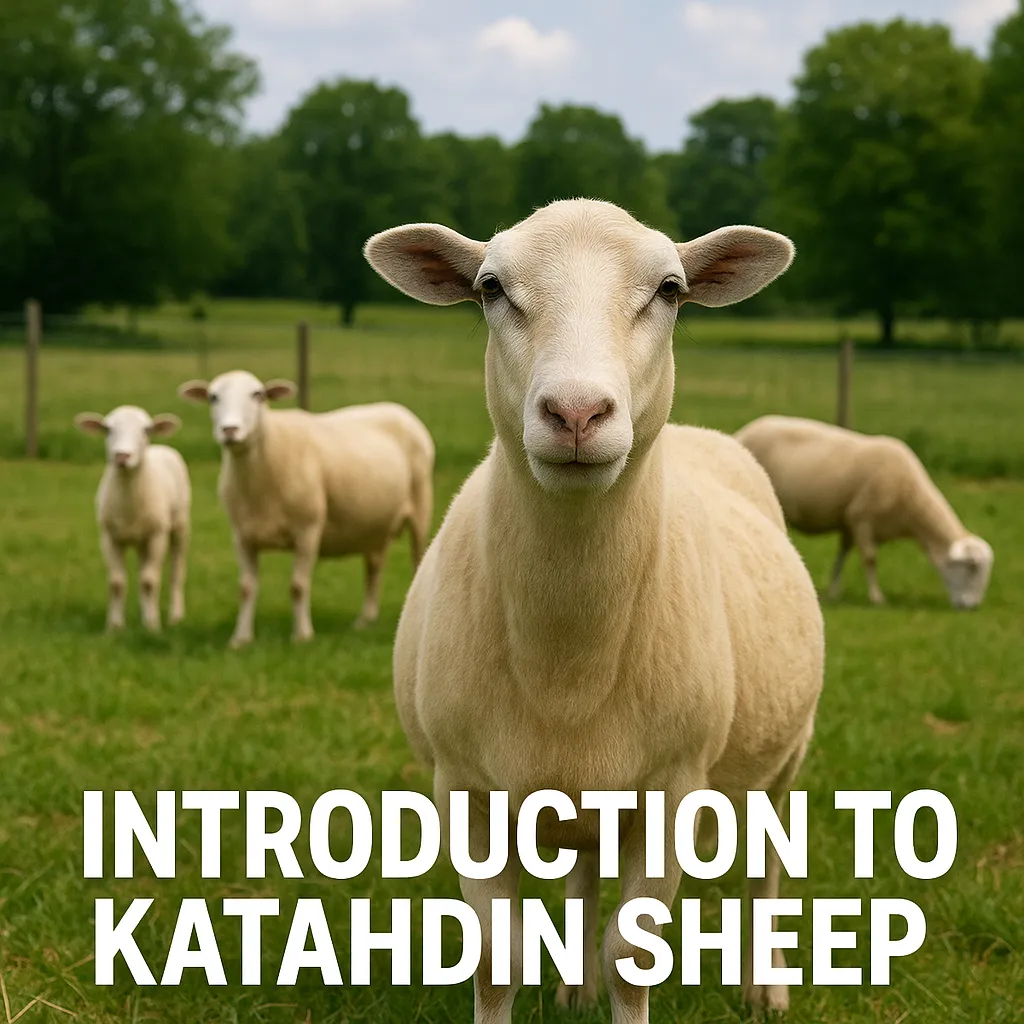
Introduction to Katahdin Sheep
"Why Katahdin Sheep Are Perfect for Modern Farming"
Picture this: It's a scorching July morning in Arkansas, and while neighboring farms are struggling with heat-stressed wooled sheep requiring emergency shearing, your Katahdin flock grazes contentedly in the pasture, their sleek summer coats gleaming in the sun. No shearing stress, no wool to market, no frantic calls to find available shearers—just productive, profitable sheep doing what they do best.
This isn't wishful thinking. It's the reality that thousands of farmers across America have discovered with Katahdin sheep, a breed that's revolutionizing how we think about sustainable livestock production.
The Visionary Behind the Breed
Every great agricultural innovation starts with someone bold enough to challenge convention. For Katahdin sheep, that someone was Michael Piel, a Maine farmer whose unconventional thinking in the 1950s would eventually reshape American sheep farming.
Piel wasn't your typical sheep producer. While others focused on wool production, he saw a different future entirely. His original goal was refreshingly practical: use sheep to manage vegetation along power lines instead of relying on chemical sprays or mechanical mowing<sup>1</sup>. But Piel's vision extended far beyond land management.
As his wife Barbara later wrote, Michael had been fascinated by sheep since high school, but "the market for wool set him thinking about a meat sheep that wouldn't need shearing."<sup>2</sup> This wasn't just about convenience—it was about reimagining the entire purpose of sheep farming.
In 1957, Piel made a decision that would echo through decades: he imported three African Hair Sheep from St. Croix in the Virgin Islands. These weren't impressive animals by conventional standards—just three young sheep, born as triplets, costing $10 each plus $75 shipping. But they carried something invaluable: the genetic blueprint for a hair coat that shed naturally, tropical hardiness, and exceptional fertility<sup>3</sup>.
The ram "King Tut" and his two female companions became the foundation of something extraordinary. For nearly twenty years, Piel systematically crossed these Caribbean imports with British meat breeds—primarily Suffolk, but also Hampshire, Southdown, and other proven performers<sup>4</sup>. He experimented tirelessly, testing "crosses of many breed combinations" in pursuit of his ideal: a sheep that combined tropical adaptability with superior meat production.
By the early 1970s, Piel believed he'd achieved his goal. From his large experimental flock, he selected approximately 120 of the best ewes and named them "Katahdins" after Maine's highest peak—Mt. Katahdin<sup>5</sup>. Little did he know he was launching what would become America's most popular sheep breed.
What Makes Katahdins Exceptional?
The Liberation from Shearing
Walk into any farm supply store during shearing season and you'll witness a familiar drama: frantic phone calls searching for available shearers, worried discussions about stressed sheep, and calculations of whether wool prices will even cover shearing costs. Katahdin owners smile knowingly at these conversations—they haven't needed a shearer in years.
Katahdins possess what amounts to an agricultural superpower: they naturally shed their winter coats when temperatures and daylight hours increase. According to sheep specialists at Baalands Farm, "It is usually not necessary to shear Katahdin sheep. While coat texture and length varies among individuals and coats may contain woolly fibers, Katahdins naturally shed their coats when temperatures and day length begin to increase."<sup>6</sup>
This isn't just convenient—it's economically transformative. The Texas Katahdin Hair Sheep Association puts it succinctly: Katahdins provide "a practical option to producers who are primarily interested in raising a meat animal, with great lamb vigor, mothering ability and do not want to shear or are no longer able to find shearers."<sup>7</sup>
Masters of Climate Adaptation
Here's where Katahdins truly shine: their remarkable ability to thrive in diverse climates. Despite being developed in Maine's harsh winters, these sheep adapt seamlessly to conditions from Canadian winters to Gulf Coast summers.
The secret lies in their unique coat system. During cold weather, they develop a thick, insulating winter coat. As spring arrives, this coat naturally sheds, revealing a sleek summer hair coat perfectly suited for hot, humid conditions<sup>8</sup>. It's like having an automatic climate control system built into each animal.
The Livestock Conservancy notes that "While the winter coat provides enough protection for them to thrive in cold climates, their short, hair coat allows them to tolerate the heat and humidity of warmer regions."<sup>9</sup> This adaptability opens doors for farmers in regions where traditional wooled breeds struggle.
The Parasite Resistance Advantage
In the battle against internal parasites—particularly the devastating barber pole worm (Haemonchus contortus)—Katahdins bring formidable natural defenses. This isn't marketing hyperbole; it's documented scientific fact backed by rigorous university research.
Dr. Joan Burke's groundbreaking studies at the USDA's Dale Bumpers Small Farms Research Center demonstrated that hair sheep breeds, including Katahdins, possess "significantly higher degree of parasite resistance than wool sheep."<sup>10</sup> Her comprehensive research, comparing Katahdin, Dorper, and St. Croix sheep across multiple seasons, found that Katahdins consistently outperformed other breeds in challenging, humid environments where parasite pressure peaks.
The economic impact is staggering. The Texas Katahdin Hair Sheep Association calculates that "Katahdins have above average parasite resistance. This characteristic has tremendous impact on profitability by decreasing loss from internal parasites and decreasing dollars spent on dewormers and labor."<sup>11</sup>
Recent genetic advances have taken this advantage even further. Cutting-edge research published in 2023 developed Estimated Breeding Values (EBVs) for fecal egg count, allowing producers to select breeding stock with genetically superior parasite resistance. Remarkably, "One of the first breeds to effectively implement the FEC EBV was Katahdin,"<sup>12</sup> positioning the breed at the forefront of genetic innovation.
Maternal Excellence and Longevity
In an industry where reproductive efficiency drives profitability, Katahdins excel consistently. These ewes combine strong maternal instincts with practical productivity that translates directly to the bottom line.
The numbers tell the story: mature Katahdin ewes typically produce twins, with triplets and even quadruplets not uncommon. A well-managed flock should achieve a 200% lamb crop<sup>13</sup>—meaning two lambs weaned for every ewe bred. But it's not just about numbers; it's about ease of management.
Katahdin ewes "usually lamb without assistance, have ample milk for their lambs and rejection of lambs are rare."<sup>14</sup> For farmers who've battled difficult lambings and orphaned lambs, this maternal competence represents peace of mind that's hard to quantify.
Recent breakthrough research published in January 2025 in the Journal of Animal Science analyzed over 10,000 Katahdin ewes from 58 flocks across the United States, revealing fascinating insights into what creates a truly productive ewe. The study found that "Katahdin ewes born as a multiple, and that produced lambs with moderate weights at birth (approximately 5 kg) and weaning (20 to 25 kg), had longer productive lives."<sup>15</sup>
This research revolutionizes our understanding of breeding goals, suggesting that moderate rather than maximum growth rates may optimize long-term productivity. The study revealed that ewes reach peak productivity between 4 and 6 years of age—a testament to the breed's longevity and sustained performance.
Extended Breeding Flexibility
While many sheep breeds are strictly seasonal breeders, Katahdins offer something invaluable: flexibility. This extended breeding capability means year-round income potential rather than seasonal cash flow constraints.
Dr. Burke's multi-year research in Arkansas definitively proved that "DO, KA, and SC ewes are capable of out-of-season breeding," with Katahdins showing superior production efficiency. Her studies revealed that "relative efficiency at weaning (kg of lamb produced/kg ewe weight) was greatest for summer-bred ewes and greatest for KA compared with DO and SC ewes."<sup>16</sup>
This breeding flexibility opens markets that seasonal producers can't access—ethnic markets, religious celebrations, and specialty restaurant demands that require fresh lamb year-round.
Performance That Delivers
Meat Quality and Market Appeal
The ultimate test of any meat breed is carcass quality, and Katahdins consistently deliver. These lambs produce "high quality, well-muscled carcass that is naturally lean and consistently offers a very mild flavor."<sup>17</sup> For direct marketers, this mild flavor profile appeals to customers who might find traditional lamb too strong.
Dr. Burke's controlled research provides specific performance benchmarks that remove guesswork from production planning. Her studies documented that Katahdins demonstrated superior weaning efficiency, excellent maternal performance with mature ewes averaging over 200% lamb crops, and consistent reproduction across multiple seasons. Most importantly for challenging climates, her research concluded that "in this warm, humid environment, KA ewes have the greatest production potential compared with SC and DO ewes."<sup>18</sup>
International crossbreeding research has validated Katahdin genetics globally. Studies comparing different sire breeds found that when Pelibuey ewes (a pure African hair sheep breed) were crossed with improved breeds, they "had better reproductive efficiency, preweaning traits, and heavier litters when crossed with Dorper and Katahdin sires than with the Pelibuey sire."<sup>19</sup> This demonstrates the genetic improvement that Katahdin breeding brings to crossbreeding systems worldwide.
Size and Efficiency
Katahdins hit the sweet spot for efficient production. Mature ewes typically weigh 125-160 pounds, while rams range from 180-250 pounds<sup>20</sup>. This medium size optimizes several factors: reasonable feed requirements, manageable handling, and carcass weights that match modern market demands.
Twin lambs average 8 pounds at birth—substantial enough for vigor but manageable for easy lambing. Market lambs finish effectively at 95-115 pounds, perfect for today's consumers who prefer smaller cuts and portion sizes.
From Endangered to Industry Leader
The Katahdin success story reads like an agricultural fairy tale. Originally listed as endangered by The Livestock Conservancy, the breed's remarkable turnaround culminated in 2013 when they graduated from the priority list. The statistics are impressive: "In 2011, the breed association saw more than 6,500 new registrations and Katahdins graduated from The Livestock Conservancy's priority list in 2013."<sup>21</sup>
Today's global population is estimated at nearly 14,000 animals, with approximately 85% in the United States. But numbers alone don't tell the complete story. Katahdin Hair Sheep International reports members "from Mexico to Northern Canada and have exported to Ecuador, Jamaica, Dominican Republic, United Kingdom, Chile, and Central America."<sup>22</sup>
Scientific Recognition
Leading animal scientists have taken notice. Dr. Dave Notter of Virginia Tech—described by the Texas Katahdin Hair Sheep Association as "a top Animal Science Geneticist in the USA"—has stated that "the backbone of America's future commercial flock will be a ewe with parasite resistance, low maintenance costs, high fertility/prolificacy, good mothering ability, and one that produces either no wool at all or the highest quality wool."<sup>23</sup>
This endorsement from one of America's most respected sheep geneticists validates what thousands of farmers have discovered firsthand: Katahdins represent the future of sustainable sheep production.
International research communities have embraced Katahdins as a model for sustainable livestock production. A comprehensive 2023 review published in Frontiers in Animal Science noted that "Katahdin sheep have continued to be developed and genetically improved. They are characterized as being hardy, adaptable, low maintenance, parasite resistant, yield a lean carcass, and display exceptional mothering ability."<sup>24</sup>
Research institutions from the prestigious South African Journal of Animal Science to university programs across multiple continents continue studying hair sheep genetics and production systems, contributing to our global understanding of these breeds' potential for addressing climate change and sustainability challenges in livestock production.
Perfect for Every Scale of Operation
The Beginning Farmer's Dream
Starting a sheep operation can be intimidating, but Katahdins offer newcomers several advantages. Their forgiving nature means management mistakes don't become disasters. The elimination of shearing reduces both equipment needs and skill requirements. Their excellent mothering ability means fewer orphaned lambs and middle-of-the-night emergencies.
Perhaps most importantly, their docile temperament makes them pleasant to work with. Many beginning farmers report that their Katahdins actually seem to enjoy human interaction—a far cry from the flight response of some high-strung breeds.
The Commercial Producer's Solution
For larger operations, Katahdins solve several persistent industry challenges. The labor reduction from eliminating shearing is substantial—multiply that by hundreds of animals and the savings become significant. Their parasite resistance reduces both veterinary costs and labor for treatments. The extended breeding season allows for more flexible marketing and steady cash flow rather than seasonal peaks.
Their crossbreeding value adds another dimension. Katahdin ewes bred to terminal sires produce excellent market lambs that combine maternal breed efficiency with terminal sire growth and carcass quality.
The Sustainable Agriculture Pioneer
For farmers committed to environmental stewardship, Katahdins check every box. Their reduced need for anthelmintic treatments decreases chemical inputs. Their excellent foraging ability supports rotational grazing systems that improve soil health. Their adaptability reduces facility requirements and energy inputs.
Recent international research has positioned Katahdin development and crossbreeding as having "the potential of increasing the genetic diversity of hair sheep populations, due to Katahdin's impressive repertoire of economically important and desirable traits."<sup>25</sup> This genetic contribution supports biodiversity conservation while improving productivity.
The Economic Reality
Let's address the bottom line directly. Farming isn't a hobby—it's a business that must generate profit to survive. Katahdins consistently deliver economic advantages that translate to improved profitability.
Labor savings compound quickly. Eliminate shearing costs (including transportation to shearing facilities), reduce treatment costs for parasites, decrease facility requirements due to their adaptability, and minimize lambing complications due to their maternal ability. These aren't one-time savings; they accumulate year after year.
Market advantages continue growing. The ethnic lamb market—which often prefers hair sheep—continues expanding across America. Direct marketing to restaurants and consumers appreciates the mild flavor profile and lean carcasses. The growing agritourism market finds Katahdins appealing due to their friendly disposition and attractive appearance in diverse colors.
Looking to the Future
As we stand in 2025, several trends converge to make Katahdin sheep increasingly relevant. Climate change demands livestock that can adapt to shifting weather patterns. Environmental concerns require reduced chemical inputs. Labor shortages need animals that require less intensive management. Market demands favor smaller, leaner cuts. Consumer preferences lean toward sustainable production methods.
Katahdins address every one of these trends naturally. They're not just adapted to current challenges—they're positioned perfectly for agriculture's future.
The breed that began with Michael Piel's simple vision of a "meat sheep that wouldn't need shearing" has evolved into something far more significant: a comprehensive solution for modern agriculture's complex challenges. Whether you're managing 10 sheep or 1,000, whether you're focused on direct marketing or commercial production, whether you're driven by profit or sustainability, Katahdins offer genetic tools for success.
The numbers, the research, and the real-world results all point to the same conclusion: Katahdin sheep aren't just perfect for modern farming—they're essential for its future.
What Comes Next
In our next episode, we'll move from the theoretical to the practical. You'll discover exactly how to prepare your farm for Katahdins, from choosing the right fencing systems to designing efficient facilities. We'll cover pasture management strategies that maximize their foraging abilities, water systems that support their productivity, and facility designs that work with their natural behaviors rather than against them.
You'll learn how to create an infrastructure that allows your Katahdin flock to thrive while minimizing your workload and maximizing your returns. Because knowing why Katahdins are exceptional is only the beginning—knowing how to manage them exceptionally is where success begins.
References and Further Reading
1579 Walsh Street Oviedo,
Florida 32765
COMPANY
FARM SERVICES
LIVESTOCK PROGRAMS
FOLLOW US
POWERED BY:
© 2025 Black Hammock Family Farm. All rights reserved.